Kenya’s Informal Economy: The Giant That Keeps the Country Afloat
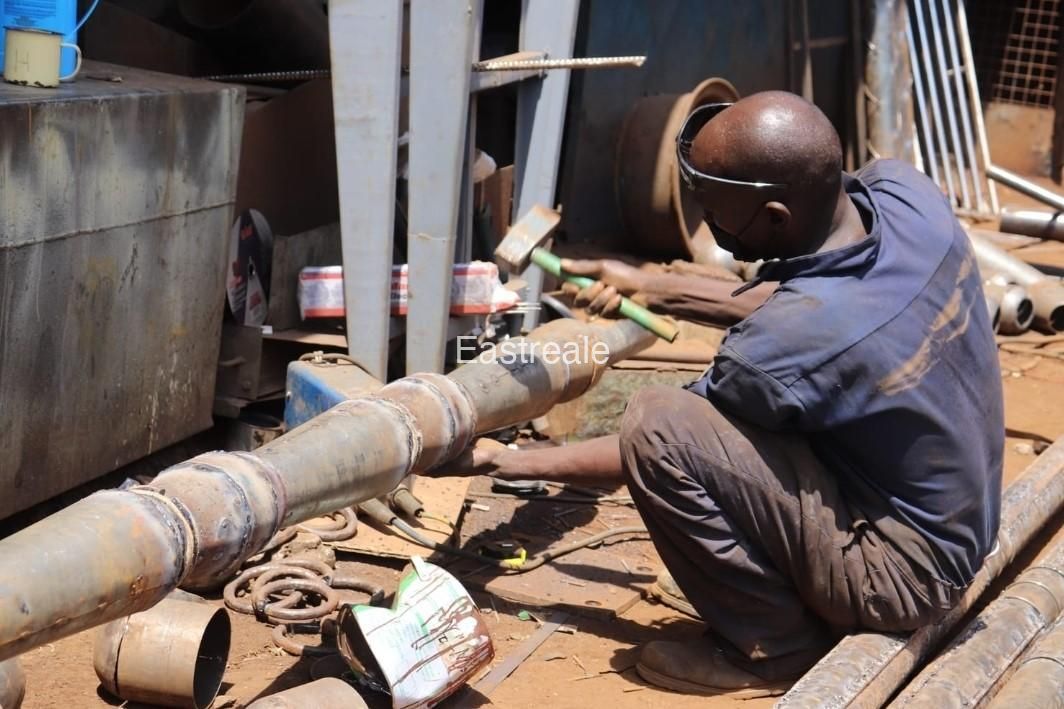
Kenya’s Informal Economy: The Giant That Keeps the Country Afloat
In Kenya, when you think about the economy, your mind might go straight to big companies, banks, and government institutions. But beneath the surface lies a powerful engine that truly keeps the country moving the informal economy. From roadside hawkers to boda-boda riders, mama mbogas to online hustlers, Kenya’s informal sector is not just a safety net it’s a lifeline for millions and a key player in national development. In this article, we’ll unpack what the informal economy is, its true size, challenges, opportunities, and why every serious economic conversation in Kenya must include it.
�� What Is the Informal Economy?
The informal economy includes all economic activities that are not regulated or taxed by the government. It spans businesses that: ●Operate without licenses or formal registration ●Do not keep audited records ●Often pay no income tax or statutory deductions Common Examples in Kenya: ●Jua kali artisans ●Boda-boda and matatu operators ●Hawkers, market vendors, mama mboga ●M-pesa agents & small kiosks ●Online traders on Instagram or WhatsApp ●Domestic workers, construction casuals
�� How Big Is It? According to the Kenya National Bureau of Statistics (KNBS 2023): ●The informal sector employs over 15 million Kenyans, accounting for 83% of total employment. ●It contributes more than 33% to Kenya’s GDP. ●In 2022 alone, over 700,000 new informal jobs were created compared to just 100,000 in the formal sector. In simple terms: for every 5 working Kenyans, at least 4 are in the informal sector.
�� Why the Informal Sector Is the Backbone of Kenya 1. Employment Generator With limited formal jobs, especially for youth, the informal sector steps in to absorb millions who would otherwise be jobless. 2. Low Entry Barriers
Anyone with basic skills or small capital can start a hustle — making the sector accessible and inclusive. 3. Supports Daily Survival Many Kenyans rely on informal incomes for rent, school fees, and food. It's not luxury — it's livelihood. 4. Boosts Local Economies Local kiosks, mama mboga, and mitumba sellers support entire supply chains — from farms to transporters to customers.
�� Case Study: The Boda-Boda Economy There are over 1.2 million boda-boda riders in Kenya today. According to the Boda Boda Safety Association: ●They collectively generate over Ksh 1 billion per day. ●Many riders are youth who would otherwise be unemployed. ●The sector supports thousands of spare part shops, garages, fuel stations, and mobile money agents. Yet, the vast majority operate without insurance, pension savings, or formal contracts.
�� Challenges Facing the Informal Economy While powerful, the informal sector has several limitations: ●No social protection (NSSF, NHIF) ●Lack of credit access (few have bank accounts or financial history) ●Harassment and insecurity (especially for hawkers and vendors) ●Vulnerability to economic shocks (e.g., COVID-19 devastated small traders) ●Low scalability due to lack of structure, records, or legal recognition
�� Opportunities for Growth
Governments, NGOs, and fintech startups are now finding ways to uplift the informal economy by: ●Formalizing through mobile platforms (e.g., Hustler Fund via M-PESA) ●Offering microloans based on mobile money data ●Training and digital literacy programs for small traders ●Promoting SACCOs and community-based groups
�� What Can Be Done? ●Policy reform to support registration without heavy licensing costs ●Affordable credit lines linked to mobile usage or group savings ●Access to pension and health plans for informal workers ●Digital platforms like Ajua, Twiga Foods, and Copia to connect sellers to markets
�� Let’s Talk: Engagement Questions �� Do you earn all or part of your income through informal work? ➡️ Comment below: What’s your biggest challenge in the hustle? �� Should the government do more to support the informal sector or formalize it entirely? ➡️ Let us know what support you think would help most: Loans? Legal protection? Training?
�� Final Thoughts Kenya’s informal economy is not a weakness it’s a strength waiting to be unlocked. It represents the creativity, resilience, and entrepreneurial spirit of Kenyans across all counties. Recognizing and supporting this sector is not just good economics it’s good nation-building.
�� How Eastreale Consult Supports the Informal Sector Even in real estate, informal players like brokers, caretakers, fundis, and casual workers play a key role in property management and construction.
At Eastreale Consult, we are creating space for both formal and informal players to grow by: ✅ Providing digital listing platforms ✅ Connecting landlords with trusted agents ✅ Creating part-time job opportunities for property scouts �� Get in touch today or visit www.eastrealconsult.co.ke
https://eastreale.com/storage/posts/6a46d773443c2.jpg" alt="PDF Image" style="max-width:100%;height:auto;">
Related Articles
Kenya's Real Estate ROI Compared to Other Investment Markets: Where Smart Investors Are Putting Their Money
Jul 07, 2026
Best Apartments for Kenyans Abroad: A Smart Guide to Investing in Nairobi
Jul 05, 2026
Kenya Real Estate Investment Checklist for Diaspora Buyers
Jul 04, 2026
Comments (0)
No comments yet. Be the first to comment!