ROI in Kenyan Real Estate: What Investors Need to Know in 2025
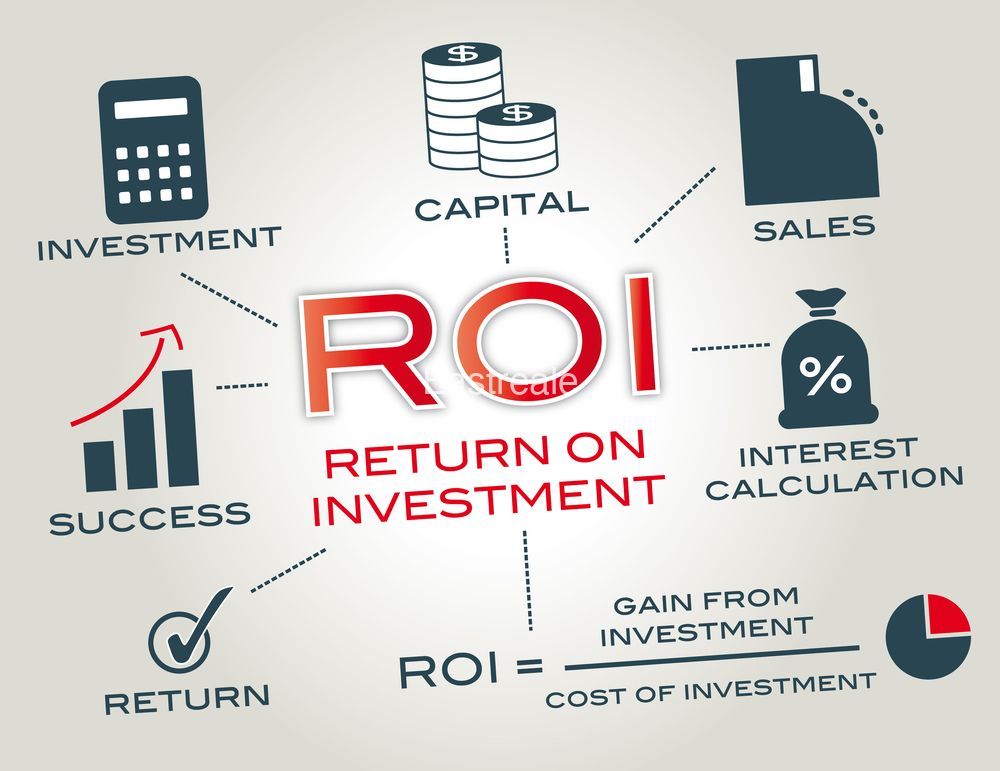
ROI in Kenyan Real Estate: What Investors Need to Know in 2025 Real estate has always been one of the most trusted ways to build wealth in Kenya. Whether it’s buying an apartment in Nairobi, investing in commercial property, or securing a plot in satellite towns, the question every investor asks is: “What’s my Return on Investment (ROI)?” In this article, we’ll break down what ROI means, how to calculate it, and what trends are shaping Kenyan real estate ROI in 2025.
What is ROI in Real Estate? ROI (Return on Investment) is a measure of how much profit you earn from your property compared to how much you invested. Formula:
�����= ��� ������� (�������� – ����������) ������� ������������ ×100 For example: ●Apartment purchase price: KSh 10M ●Annual rent: KSh 1.2M (100K/month) ●Annual expenses (repairs, service charge, taxes): KSh 200K ●Net profit = 1M ●ROI = (1M ÷ 10M) × 100 = 10% In simple terms: ROI tells you how hard your money is working in real estate.
Types of ROI in Kenyan Real Estate 1. Rental Yield (Cash Flow ROI) This measures rental income compared to the property’s purchase price. ●Nairobi apartments typically yield 5–7% annually. ●Student housing and Airbnb units can push yields up to 10–12%. 2. Capital Appreciation This is the increase in property value over time.
●Example: Buy land in Ruiru at KSh 2M, sell after 5 years at KSh 4M = 100% gain. ●Hotspots: Kitengela, Athi River, Ruiru, Ngong, Juja. 3. Total ROI (Hybrid) This combines rental yield + capital appreciation. ●Example: An apartment generates 6% rental yield annually plus 5% appreciation → total ROI ~11%.
ROI Benchmarks in Kenya (2025)
Property Type Average ROI % Notes Residential apartments (Nairobi suburbs) 5–7% Stable rental demand, moderate growth Short-term rentals (Airbnb, holiday homes) 8–12% High yield but requires active management Commercial office space 7–10% Strong income potential, but high vacancy risk Plots & land (satellite towns) 10–20%+ High appreciation, especially in growth corridors
�� Factors That Affect ROI in Kenya 1.Location – Prime areas like Kilimani and Westlands have strong rents, while satellite towns offer higher appreciation. 2.Property type – Apartments, offices, and land all perform differently. 3.Financing – Mortgages in Kenya average 12–16%, which can eat into ROI if rental yields don’t match. 4.Demand drivers – Proximity to schools, highways, or business hubs improves rental ROI. 5.Hidden costs – Repairs, service charges, land rates, and vacancies reduce returns.
How to Maximize Your ROI in Kenya ●Invest in off-plan projects → Lower entry cost + higher appreciation. ●Target high-demand tenants → Students, young professionals, and expats. ●Choose growth corridors → Thika Road, Southern Bypass, Nairobi Expressway zones. ●Leverage SACCO financing → Cheaper than bank mortgages. ●Use professional property managers → Reduce vacancies and protect cash flow.
ROI in Kenyan real estate is not just about rental income—it’s a mix of rental yield + capital appreciation. ●If you want steady cash flow, go for rental apartments or Airbnb units. ●If you want big long-term gains, buy land in satellite towns. ●Smart investors balance both: rent out in the city, own land on the outskirts. Whether you’re a first-time investor or a seasoned player, understanding ROI helps you make smarter property decisions and maximize wealth in Kenya’s growing real estate market.
Related Articles
Kenya's Real Estate ROI Compared to Other Investment Markets: Where Smart Investors Are Putting Their Money
Jul 07, 2026

Diaspora Investment Watch: What Every Kenyan Living Abroad Should Know About the Property Market This Quarter
Jul 04, 2026

How New Infrastructure Projects Are Creating Kenya's Next Property Investment Hotspots
Jul 04, 2026
Comments (0)
No comments yet. Be the first to comment!