Rent or Own in Kenya: Here’s What You Need to Know
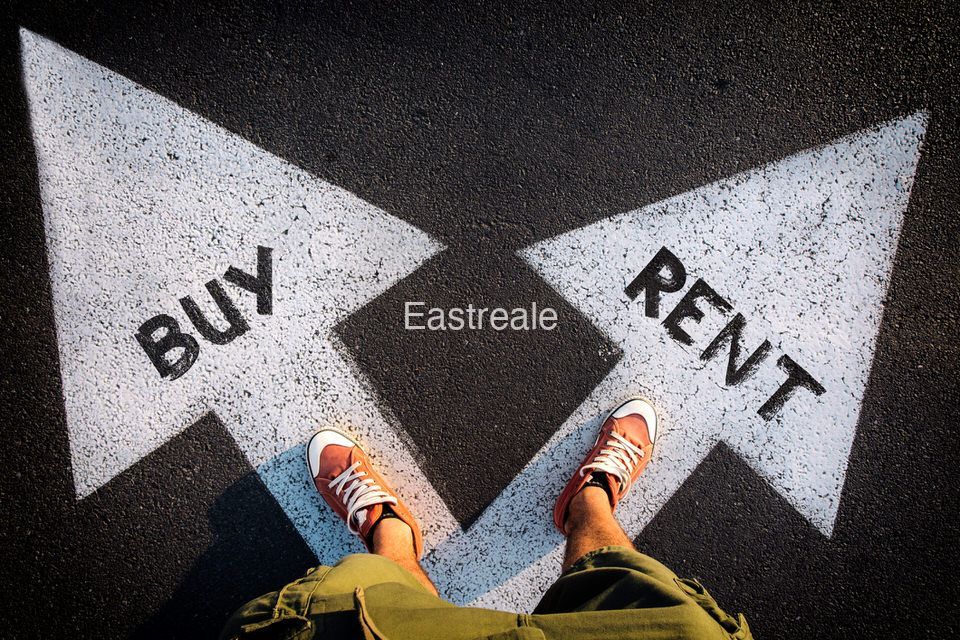
Rent or Own in Kenya: Here’s What You Need to Know Choosing whether to rent or buy property in Kenya is one of the biggest financial and lifestyle decisions you’ll ever make. With rising property prices in Nairobi, booming satellite towns, and changing work lifestyles, it’s important to weigh both sides before taking the plunge. This guide breaks down everything you need to know about renting versus owning in Kenya in 2025 and beyond.
The Case for Renting in Kenya Advantages of Renting ●Flexibility: Ideal if your job may transfer you to another city or abroad. ●Lower upfront costs: You only need a deposit and 1–2 months’ rent. ●No maintenance burden: Repairs and service charges often fall on the landlord. ●Access to prime areas: Renting allows you to live in Kilimani, Westlands, or Kileleshwa at a fraction of the cost of buying. Downsides of Renting ●No equity: Monthly payments benefit your landlord, not you. ●Instability: Rent hikes and possible eviction are risks. ●Long-term costs: Renting for 20 years often costs more than owning.
The Case for Owning in Kenya Advantages of Owning ●Wealth creation: Property appreciates in value, building long-term wealth. ●Security & stability: No landlord, no eviction—your home is yours. ●Collateral potential: Property can be used to secure loans for business or investment. ●Rental income: You can earn passive income by renting out part or all of your property. Downsides of Owning
●High upfront costs: Deposit (10–30%), stamp duty (2–4%), legal fees, and valuation costs. ●Mortgage burden: Kenyan mortgage rates average 12–16%, making monthly payments high. ●Less flexibility: Harder to relocate quickly. ●Hidden costs: Land rates, insurance, maintenance, and service charges.
Rent vs Buy: Nairobi Example (2025) ●3-Bedroom Apartment in Kilimani oBuying: ~KSh 15M ▪Deposit: ~KSh 3M (20%) ▪Mortgage: KSh 150K–180K/month (15–20 years) oRenting: KSh 120K–150K/month Renting in high-end Nairobi is often cheaper monthly, but buying offers long-term value.
Factors That Influence the Decision in Kenya 1.Income stability – Can you sustain a mortgage or would renting be safer? 2.Location preference – Do you want prime Nairobi or are you open to satellite towns like Kitengela, Ruiru, Athi River, or Ngong? 3.Lifestyle flexibility – Do you need the freedom to move, or are you ready to settle? 4.Long-term goals – Is your priority wealth-building and inheritance, or short-term convenience? 5.Financing access – Mortgages, SACCO loans, and chamas all play a role.
Smart Kenyan Approach: Rent in the City, Buy on the Outskirts Many Kenyans balance the two: ●Rent in Nairobi CBD or suburbs for work convenience.
●Buy land or a home in satellite towns (Ruiru, Kitengela, Syokimau, Athi River). ●Develop slowly or invest in off-plan projects. This way, you enjoy flexibility while building long-term equity.
Final Thoughts There’s no one-size-fits-all answer to the rent vs own debate in Kenya. ●If you want flexibility, low upfront costs, and access to prime locations, renting may be your best option. ●If you want wealth creation, security, and long-term stability, owning is the smarter move. The key is to assess your income, lifestyle goals, and future plans—then make a decision that secures your financial wellbeing.
Related Articles

Best Apartments for Kenyans Abroad: A Smart Guide to Investing in Nairobi
Jul 05, 2026

Kenya Real Estate Investment Checklist for Diaspora Buyers
Jul 04, 2026

The Hidden Costs of Buying Property in Kenya (And How to Budget for Them)
Jul 04, 2026
Comments (0)
No comments yet. Be the first to comment!